
 Africa
  Caribbean
  Australasia & Pacific
  Thailand
  India
India  Cape Verde
  Kenya
Kenya Why Tracking Your Progress Matters During Weight Management Treatment

Starting a weight management programme is a significant step, but the treatment itself is only part of the process. What happens in between reviews, like how appetite shifts, how energy holds up, whether side effects settle or persist, often gets forgotten by the time the next check-in comes around. A simple tracking habit closes that gap.
Weight loss tracking does not need to be complicated to be useful. A basic weekly record of weight, symptoms, and mood can surface patterns that would otherwise go unnoticed, and it gives any conversation with your pharmacist or prescriber something concrete to work from rather than a rough memory of “the last few weeks.”
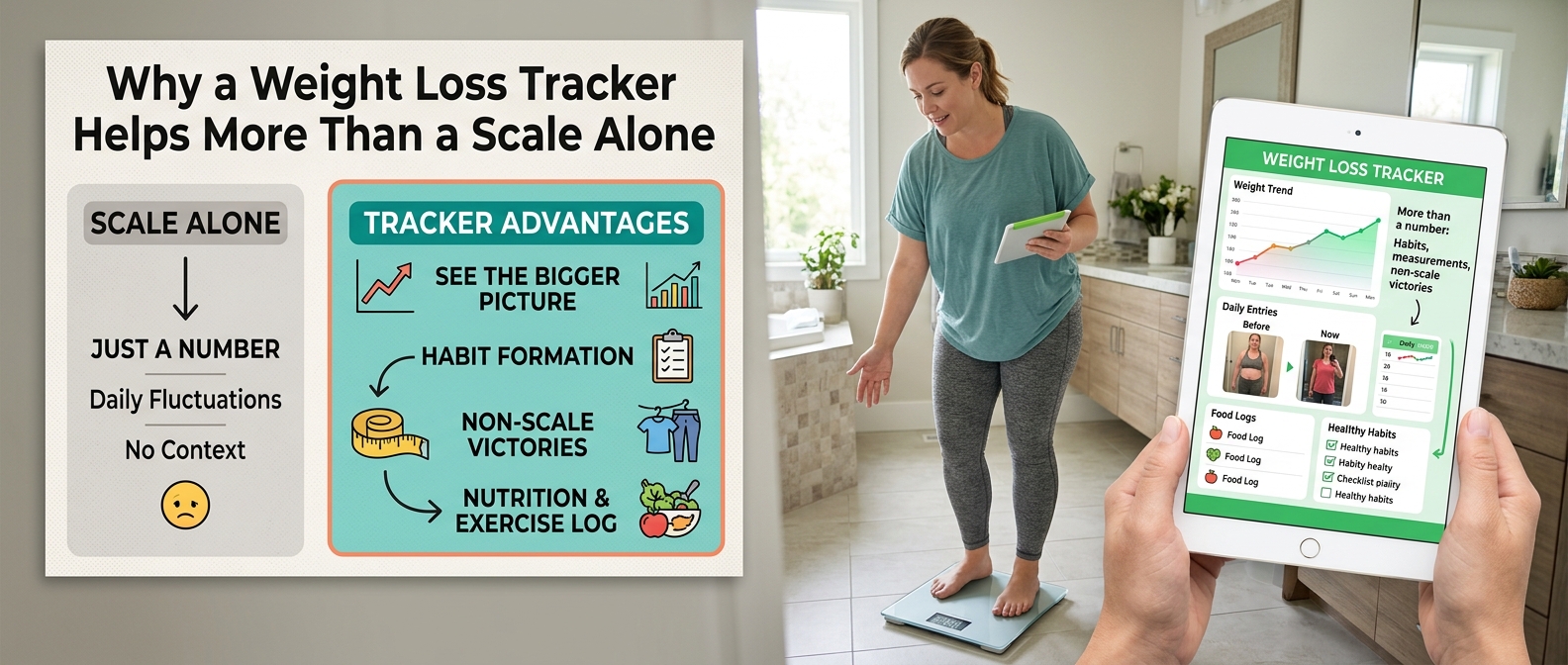
Why a weight loss Tracker Helps More Than a Scale Alone
Weight on its own is a narrow measure. It does not capture appetite changes, energy levels, sleep quality, or mood, all of which shift meaningfully during a weight management programme and often matter just as much to how the process feels from day to day.
Recording these details weekly can reveal things a single number cannot: fatigue that clusters around a particular week, a plateau that has lasted three weeks rather than one, or a symptom that is trending worse instead of settling. None of that is obvious from memory alone, especially weeks later.
What Is Worth Recording Each Week
A useful tracker does not need many fields, just consistent ones. The most valuable entries tend to be:
- Weight, recorded at a consistent point in the week
- Any symptoms experienced
- Notes on appetite, energy, and mood
- Questions or concerns to raise at your next review
Consistency matters more than detail here. A short, honest entry every week beats a long one written only when something feels off.
Progress Beyond the Number on the Scale
Weight loss motivation tends to fade when the scale is the only measure of success, particularly during weeks where the number barely moves. Tracking softer signals helps counter that. Reduced cravings, better sleep, fewer intrusive thoughts about food, or simply feeling more in control around meals are all real markers of progress, even in a week where weight stays flat.
Looking back over several weeks of these notes, rather than just the numbers, tends to give a much clearer sense of how things are actually going than any single data point can.
Making Sense of a Plateau
Plateaus are common during any weight management journey, and they are rarely a sign that something has gone wrong. A tracker makes them easier to interpret rather than react to. Several consecutive weeks with no change in weight, appetite, or mood is a genuinely different situation from one flat week following a strong one, but that distinction only shows up clearly with a written record to compare against.
If a plateau does show up in your notes, it’s worth raising at your next pharmacy review so having a written pattern to point to makes that conversation far more useful than trying to describe it from memory.

Tracking and Your Pharmacy Reviews
Weight management support at the pharmacy is built around regular contact, not just a one-off consultation. That typically includes:
- An initial assessment before starting any programme
- Regular check-ins to see how things are progressing
- Access to advice from the pharmacy team between scheduled reviews
- A record that helps build a fuller picture of how you’re getting on
A written log supports all of this. Symptoms like persistent nausea, dizziness, or ongoing fatigue are far easier to flag and act on quickly when there is a clear log to point to, rather than a vague sense that “it has felt off for a while.”
Ready to Discuss Your Weight Management Progress?
Speak with a qualified healthcare professional about your progress, questions or concerns.
Book a Weight Management ConsultationFrequently Asked Questions
How often should progress be tracked?
Weekly is generally enough to catch patterns without becoming a burden. Daily tracking can add detail but is not necessary for most people.
What if there is nothing notable to report in a given week?
That is still worth recording. A short “no changes” entry is useful data in itself when reviewing several weeks together.
Can tracking help identify symptoms early?
Yes, a consistent record makes it much easier to notice something trending upward rather than dismissing it as a one-off.
Is a plateau a reason to stop?
Not necessarily, bring your notes to your next pharmacy review so having a written history makes it much easier to have a useful conversation about what, if anything, needs to change.
Building the Habit
The hardest part of tracking is rarely the format, it is the consistency. Choosing a fixed day and time each week, even a short two-minute entry, tends to work better than an ambitious template that gets abandoned after a fortnight. Whatever the format, a simple weekly habit built around weight, symptoms, and a few honest notes gives you and your pharmacy team a far clearer picture of how things are actually going than memory alone ever could.

Southdown Pharmacy Group
Part of the GPhC-registered pharmacy team at Southdowns Pharmacy, providing evidence-based health guidance across our Hampshire branches.