
Got a safari booked? Fancy trekking through the Amazon? Planning an epic gap year? Whatever adventure you've lined up, you can't skip the yellow fever vaccination for travel. This infection spreads through mosquito bites in tropical spots and causes anything from high temperatures to serious liver damage.
Many countries won't let you in without vaccination proof. Your International Certificate becomes as crucial as your passport at border control.
According to, TravelHealthPro's latest data shows South America had 235 yellow fever cases by May 2025 (96 people sadly died) across Bolivia, Brazil, Colombia, Guyana, and Peru. What's really striking? Nearly all these cases were folks who hadn't been vaccinated, which just goes to show how crucial it is to get protected beforehand.
We've put together this straightforward guide to help you figure out if you need the yellow fever jab, what reactions you might get, and how to sort your vaccination certificate before jetting off abroad.
Table of Contents
- What's Yellow Fever Anyway?
- Do You Actually Need This Jab?
- Getting Your Timing Right (Plus That All-Important Certificate)
- What Reactions Might You Get?
- Looking After Yourself Post-Jab
- Who Needs to Be Extra Careful?
- How Long Am I Protected For?
- FAQs
What is Yellow Fever?
Yellow fever gets passed on when infected Aedes mosquitoes bite you, these live in tropical bits of Africa and South America. The illness got its name because some people's skin goes yellowish (that's jaundice).
You'll start feeling rough about three to six days after getting bitten, with symptoms like fever, shivers, headache, and aching muscles. Most folks bounce back within days, but roughly 15 in every 100 get poorly with high fever, damaged organs, and internal bleeding.
The vaccination introduces a weakened virus, so your immune system learns to recognize it. Getting vaccinated stops disease spreading internationally; that's why countries insist on seeing proof at passport control.
Who Should Consider Yellow Fever Vaccination Before Travel
May you have these kinds of questions in your mind, and the answer is, if you're aged nine months or older and heading anywhere with yellow fever, you'll want to get vaccinated. That means most of sub-Saharan Africa, big chunks of South America (Brazil, Peru, and Colombia), and some Central American spots. Understanding yellow fever vaccination requirements helps you avoid travel disruptions. You might need the certificate even when just changing planes in affected countries.
Higher-risk travellers include those planning extended stays, camping in rural areas, jungle hiking, or working remotely. Gap year travelers hopping between countries benefit from early vaccination.
When to Get Vaccinated and Certificate Validity
You must get the yellow fever vaccine before travel, ideally 10 days prior, to ensure protection and when your yellow fever vaccine certificate becomes valid. Leave it too late and you might get stuck at the airport.
Only register your yellow fever vaccination for travel centers that issue the proper certificate. It'll have your details, vaccine batch number, date, and official stamp. Border control takes this seriously.
Brilliant news: once valid, your certificate lasts forever. They scrapped the 10-year booster rule in 2016. If you've recently had the MMR vaccine, wait a month before getting this one.
What Adverse Reactions Have Been Reported With This Vaccine?
Most people sail through with barely a twinge. The most common grumble is a sore arm where the needle went in, along with a mild fever or headache, these are common yellow fever vaccine side effects that usually clear within a couple of days.
A slight temperature means your immune system is building defenses. You might get a headache, feel achey, or generally feel knackered. These feelings usually kick in about five to seven days after and disappear sharply.
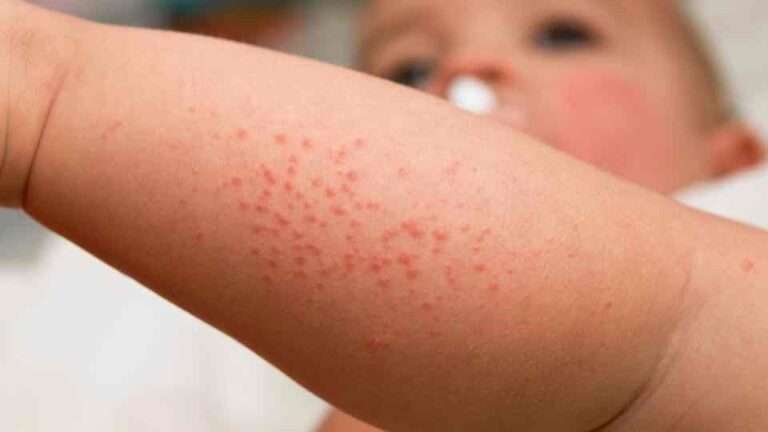
Going off your food or feeling queasy happens sometimes. Occasionally, people notice a light rash, itching, or swollen glands. These symptoms are all normal and do not persist. Really serious reactions are incredibly rare, fewer than one in 250,000 jabs.
After Your Vaccination: Recovery and Self-Care Guidance
Take it easy for a day or two. Drink plenty of water, adding electrolyte drinks if you've got a temperature. Normal painkillers work fine for sore arms or headaches, such as paracetamol or ibuprofen.
Pop a cool flannel on your arm if it's bothering you, keep it moving gently, and wear loose sleeves. Eat when you fancy it, even if that's just small bits. If things get worse, last beyond a week, or you've got breathing difficulties, a severe headache, or a temperature above 39°C, ring your doctor.
Who May Need Specialist Advice Before Vaccination?
Some people can't have this vaccine, those badly allergic to ingredients (including eggs), anyone who had serious reactions before, or people with thymus gland issues.
Anyone with a weakened immune system needs specialist advice, including people with HIV, taking immunity-suppressing drugs, undergoing chemotherapy, or with immune-affecting conditions. Babies under nine months age can't have it. Over 60s face slightly higher risks, so it's only recommended when high-risk travel is unavoidable.
Pregnant women and mums breastfeeding babies under nine months need individual assessments. Delaying travel is often safer. Got chronic conditions? Chat with a travel medicine specialist first.
Can't have the vaccine? You'll need a medical waiver certificate, though some countries won't accept these. Unvaccinated travelers must be extra careful about mosquito bites.
How Long Yellow Fever Protection Lasts?
One jab protects 95-100 people out of every 100 for life. Certificates are now valid forever; research shows your body maintains defences throughout life.
Exceptions: if you had your first jab while pregnant or if you are under the age of two, get another before returning to risky areas. The same applies if your immune system was initially suppressed, and it’s a good idea to have extra copies saved as well.
Planning Your Travel Health with Confidence
Getting your travel health sorted before you leave means you can relax and look forward to your trip. At Southdowns Pharmacy Group, our team sorts you out with yellow fever vaccination plus expert advice.
We're registered at centers that issue yellow fever vaccination for travel and provide official International Certificates recognised everywhere. Our pharmacists chat through where you're going, look at your health situation, and recommend whatever vaccinations make sense. We coordinate multiple travel jabs with proper spacing.
We've made it simple with online booking fitting around your schedule. Beyond yellow fever, we cover other vaccinations, malaria prevention, and travel health kit tips. Book a few weeks before you fly. Pop onto our website to book online or ring any branch for a chat.
Book your Travel vaccinations appointment online or at our local clinic!

FAQs
Is the yellow fever vaccine safe?
Absolutely, this jab has been around for over 70 years with a brilliant track record. Serious problems are massively rare fewer than one in 250,000. Most folks notice nothing or just mild stuff that passes quickly. They'll check your medical history first to spot anyone at higher risk. Most travelers don’t realize how important the yellow fever vaccination for travel is until they reach the airport.
When do I need to book my appointment?
At least 10 days before you fly, that gives your body time to build protection and makes your certificate valid. Ideally, book four to six weeks ahead so there's room to space out other travel jabs if needed.
Do I need to renew my certificate?
Nope, once you've got it, it lasts for life. They binned the 10-year renewal rule in 2016 when scientists proved one jab gives lasting protection. Just keep it safe and make copies.
What if I'm pregnant or breastfeeding?
You'll need a proper assessment first. Generally, doctors avoid giving it during pregnancy unless you absolutely must visit high-risk areas. The safest option is usually delaying your trip. If you're breastfeeding a baby under nine months, you'll also need specialist advice. It is advisable to schedule a consultation at a registered center.