 Africa
  Caribbean
  Australasia & Pacific
  Thailand
  India
India  Cape Verde
  Kenya
Kenya Spring Allergies Starting Early This Year? What You Can Do Now

If you’ve been sneezing more than usual lately, waking up with puffy eyes, or reaching for tissues before spring has even properly arrived, it’s not just your imagination. Spring allergies in the UK seem to be catching people off guard earlier and earlier each year.
Whether it’s your first time dealing with seasonal allergies or you’ve been through this every single year, knowing what to do early can make a real difference to how you feel. If you’re ever unsure whether it’s allergies or something else, check out [Allergies vs Cold: How to Tell the Difference]. It’s a quick and helpful read before you decide what to do next.
Let’s break it all down so you can get ahead of the season.
Why Are Spring Allergies Starting Earlier?
Pollen allergy symptoms used to be something people mainly worried about from May onwards. Not anymore.
Warmer winters and shifting temperatures have pushed the pollen season forward. Tree pollen, which is one of the first culprits each year, can now appear as early as January or February in parts of the UK. For people in southern England, including Hampshire, this means symptoms can arrive weeks before they expect them.
- Tree pollen from birch, ash, oak, and alder typically peaks between late March and mid-May
- Grass pollen, the most common trigger for hay fever, follows from mid-May through July
- Weed pollen then carries the season all the way through to September
So if you’re sneezing in February or March and wondering what’s going on, it’s very likely tree pollen doing the damage.
What Are the Symptoms You Should Watch For?
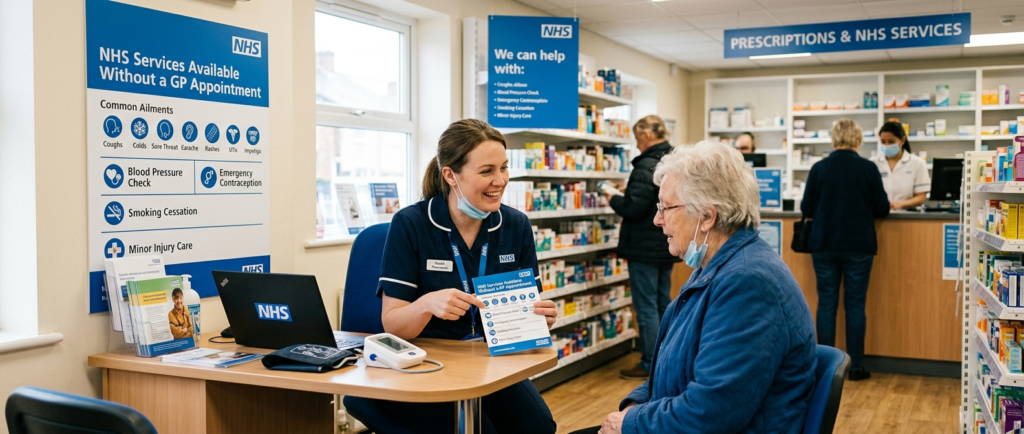
Hay fever relief starts with knowing what you’re actually dealing with. Many people brush off early symptoms as a winter cold, which means they miss the window to treat it early. If your symptoms are becoming difficult to manage or you’re unsure whether it’s allergies or something else, our Pharmacy First services can help you get professional advice quickly without needing a GP appointment.
Typical allergy symptoms UK sufferers experience include:
- Sneezing, often in bursts
- A runny or blocked nose
- Itchy, watery, or red eyes
- An itchy throat or roof of the mouth
- Tiredness and general low energy
- Headaches or sinus pressure
One thing worth knowing: allergies don’t usually come with a fever or body aches. If you’ve got those, it’s more likely a cold or infection. Still unsure? Allergies vs Cold: How to Tell the Difference can help you figure it out before you head to the pharmacy.
When Do Pollen Counts Peak in the UK?
Understanding when do pollen counts peak UK is one of the smartest things you can do this season. It lets you plan your days better and take action before symptoms hit hard.
Practical Allergy Season Tips to Follow Right Now
You don’t need to turn your life upside down to manage your symptoms. Small, consistent habits go a long way. Here are some allergy season tips that actually work:
- Start treatment before symptoms peak, don’t wait until you’re suffering to begin antihistamines
- Keep windows closed during morning hours when pollen counts are highest
- Shower and change your clothes after spending time outdoors to remove pollen from your skin and hair
- Avoid drying laundry outside on high pollen days, as clothes pick up pollen quickly
- Wear wraparound sunglasses when you’re outside to help reduce eye irritation
- Check the daily pollen forecast and limit outdoor activities on high count days
- Use a nasal saline rinse to flush pollen from your nasal passages after being outside
These don’t require a prescription and they don’t cost much. But combined with the right medication, they can take your comfort from miserable to manageable very quickly.
Your Allergy Medication Guide UK: What Actually Helps
There’s no shortage of products on pharmacy shelves, which can be confusing. Here’s a clear look at the most common options in this allergy medication guide UK, so you know what each one does and when to reach for it.
Antihistamines are usually the first thing to try. They block the body’s response to pollen and reduce sneezing, itching, and a runny nose. Second-generation antihistamines like cetirizine, loratadine, and fexofenadine are widely recommended because they’re non-drowsy and work for 24 hours. These are among the most pharmacist-recommended hay fever treatments for everyday use.
Nasal sprays that contain corticosteroids are very effective in treating individuals with persistent symptoms in the nose. The effectiveness of these medications is greatly enhanced when taken consistently and can be quite helpful if antihistamine tablets are not enough.
If you suffer mainly from itchy or watering eyes, antihistamine eye drops are very effective. They have immediate results and can be taken together with tablets.
One important note: if you take other medications or have any underlying health conditions, it’s always worth having a conversation before starting anything new. Some antihistamines can interact with medication for blood pressure or heart conditions, so if that applies to you, it’s worth getting a quick [Blood Pressure Check] alongside your allergy advice. Speak to our pharmacy team for allergy advice, they can point you to the right option for your situation without the wait of a GP appointment.
What to Expect by Pollen Type This Season
Here’s a simple overview of what’s typically in the air and when, so you can track what might be affecting you the most:
| Pollen Type | Season in UK | Who It Affects Most |
|---|---|---|
| Tree pollen (birch, ash, oak) | Late March to mid-May | Around 25% of hay fever sufferers |
| Grass pollen | Mid-May to July (two peaks) | Most common, the biggest trigger overall |
| Weed pollen (nettles, dock) | Late June to September | Extends symptoms well into late summer |
Knowing which pollen affects you most helps you time your treatment better. If trees are your trigger, you may need to start earlier in spring. If grass is your main issue, mid-May is when to be especially prepared.
Make the Most of This Season, Without the Misery
Spring is genuinely one of the most beautiful times of the year in Hampshire. You deserve to enjoy it without constantly reaching for a tissue or hiding indoors. With the right preparation, the right treatment, and the right support around you, proper hay fever relief is absolutely possible.
Begin your journey early and be consistent, and never hesitate to seek assistance. At Southdowns Pharmacy Group, our pharmacists at all our branches in Emsworth, Havant, Leigh Park, and Rowlands Castle are always ready for just that. Our professional pharmacists will advise you on the best course of action, from antihistamines to nasal sprays and eye drops, without needing a doctor’s referral. You can browse through our complete range of Allergy Treatment Services.
If you’re travelling abroad this spring and worried about how allergies might affect your trip, our [Travel Clinic] team can help you prepare properly before you go.
You can book a consultation online or simply walk in. Either way, we’re here for you throughout the season. Speak to our pharmacy team for allergy advice today, and let’s make this the year you actually get to enjoy spring.
Frequently Asked Questions
Why are my spring allergies in the UK worse this year than before?
Warmer winters are pushing pollen release earlier, and plants that had ideal growing conditions the previous summer tend to produce more pollen the following spring. Your body’s sensitivity to pollen allergy symptoms can also increase over time, making the same exposure feel harder to manage.
Should I take hay fever relief tablets every day or only when symptoms appear?
Taking antihistamines daily throughout allergy season gives steadier protection than waiting for symptoms to build up. Starting treatment a week or two before your usual trigger period, before pollen counts peak, makes a noticeable difference to how you feel day to day.
Can hay fever cause tiredness and affect sleep?
Yes, it’s a very real effect of allergy symptoms that UK sufferers often underestimate. A blocked nose and constant immune response can disrupt sleep quality, and poor sleep then compounds fatigue throughout the day.
If ongoing fatigue or low energy feels more severe than typical hay fever symptoms, our blood testing services can help rule out other underlying causes such as vitamin deficiencies or thyroid imbalances.
What is the best treatment for hay fever if over-the-counter options aren’t working?
The best treatment for hay fever when standard antihistamines fall short is often a nasal corticosteroid spray used consistently alongside tablets. A pharmacist can review what you’re already taking and suggest a more effective combination suited to your specific symptoms.

Oliver Ball
Part of the GPhC-registered pharmacy team at Southdowns Pharmacy, providing evidence-based health guidance across our Hampshire branches.