 Africa
  Caribbean
  Australasia & Pacific
  Thailand
  India
India  Cape Verde
  Kenya
Kenya Top 10 Countries Where You MUST Get Vaccinated Before Visiting

Many vacationers overlook the vaccinations required before international travel, only to face stressful border delays or serious illness. While a standard resort trip might seem low-risk, global international travel health requirements are strict, and missing documentation is a non-negotiable barrier at many popular destinations.
The World Health Organization (WHO) advises that a pre-travel vaccination checklist is the best way to verify which immunizations are necessary for your journey. Since thousands of travelers require preventable medical assistance annually, ensuring you have the right mandatory vaccines for travelers is your best line of defense.
Why Immunization is Your Most Important Travel Essential
Pre-travel vaccinations are essential for protecting your health against foreign diseases and ensuring you meet the mandatory legal entry requirements of your destination.
- Global Health Security: Helps curb the transmission of viruses across international borders.
- Legal Compliance: Ensures you have the entry requirements vaccination proof needed to avoid quarantine.
- Cost Savings: Preventing a medical emergency abroad is far cheaper than emergency overseas hospital stays.
The Long-Term Benefits of a Pre-Travel Health Check
A professional consultation ensures you are protected for the duration of your trip and beyond, providing safety that generic advice cannot match.
- Comprehensive Immunity: Build protection against high-risk countries for infectious diseases before you arrive.
- Certified Protection: Obtain your Yellow fever vaccination certificate or other physical proof required for entry.
- Expert Advice: Receive specific travel health and safety tips regarding malaria and food safety tailored to your itinerary.
Regional Risks: Matching Your Vaccines to Your Destination
Requirements are determined by the local environment, with different regions necessitating specific travel immunization requirements.
- Mandatory Vaccines: Legally required shots, such as the Yellow fever vaccination, for specific African and South American nations.
- Recommended Vaccines: Protection against local risks like Hepatitis A and Typhoid as per CDC travel vaccine recommendations.
- Specialized Vaccines: Targeted jabs for specific travel vaccines by country, such as rabies or Japanese encephalitis for rural travelers.
Understanding these risks is the first step toward a safe journey; now, let’s look at the specific entry requirements and health risks for the top ten global destinations below.
1. India: Navigating Complex Travel Immunization Requirements
India is a large destination in which there will be significant differences in the level of health hazards that are present between the densely populated cities and the rural areas. Being prepared allows you to enjoy the culture without worrying about your health.
- It is important to ensure that you have a Yellow fever vaccination certificate if you are entering India from a high-risk nation.
- Most UK travelers are advised to receive immunizations for Hepatitis A and Typhoid due to food and water safety variations.
- For rural stays longer than a month, the Japanese Encephalitis vaccine is a core part of CDC travel vaccine recommendations.
- Ensure that your vaccinations required before international travel are documented clearly to avoid any delays at Indian customs.
2. Tanzania: Mandatory Vaccines for Travelers in Safari Zones
Tanzania enforces some of the strictest health entry rules in East Africa, particularly for those visiting the Serengeti or Zanzibar. Specific documentation is often required before you are allowed past the airport gates.
- Proof of Yellow Fever vaccination is a legal requirement for almost all travelers aged one year and over who are entering the country.
- Because malaria is present throughout the country, taking antimalarial medication is a critical part of international travel health requirements.
- Rabies and Hepatitis B vaccinations are suggested for those planning to visit remote wildlife camps in the bush.
- Always check our pre-travel vaccination consultation services here to ensure your paperwork meets Tanzanian border standards.
3. Saudi Arabia: Entry Requirements Vaccination Proof for Pilgrims
If you are traveling for Hajj or Umrah, your health requirements are tied directly to your visa approval process. Specific medical proof is a prerequisite for entering the Kingdom for religious purposes.
- The Saudi Ministry of Health requires proof of the Meningococcal ACWY vaccine for all pilgrims to prevent the spread of meningitis.
- You must provide a valid Yellow fever vaccination certificate if arriving from a country with endemic transmission risks.
- General travelers should follow WHO vaccination guidelines for travelers by staying up to date on Hepatitis A and Polio boosters.
- Having your vaccinations required before international travel completed early is essential for your visa to be processed.
4. Kenya: Essential Vaccines Needed for Africa Travel
Kenya is a stunning destination for wildlife lovers, but it sits within a zone where several tropical diseases are still active. Some vaccines are very necessary for travelers to Kenya for a safe journey.
- There is usually an inspection of the yellow fever vaccination card, especially when traveling through another country in Africa en route to Kenya.
- Vaccination against cholera and typhoid is highly recommended for areas where there is no clean water.
- Visit a travel vaccination services center to discuss the seasonal risks of Meningitis if traveling during the dry months.
- Including these in your vaccination plan is required before international travel to ensure you can focus on the wildlife safely.
5. Thailand: Following CDC Travel Vaccine Recommendations
Thailand is a top choice for UK travelers, but the tropical environment carries specific risks that vary by region. Your personal itinerary will determine exactly which protections you need before you board your flight.
- A Yellow Fever certificate is required if you are arriving from a risk zone, even if you only transited through the airport.
- Japanese Encephalitis is a real concern for travelers spending time in northern provinces or rural farming communities.
- It is wise to check your childhood records for Tetanus and MMR boosters as part of your travel immunization requirements.
- Keeping a copy of your vaccinations before international travel helps in case of local medical emergencies.
6. Indonesia and Bali: Understanding Travel Vaccines by Country
Bali might feel like a familiar paradise, but Indonesia has health protocols that extend far beyond the resort walls. Interacting with local environments means you need a proactive health plan.
- Typhoid and Hepatitis A are common suggestions for anyone planning to enjoy the famous Indonesian street food scene.
- Rabies is an ongoing concern, and many travelers choose the pre-exposure vaccine course for total peace of mind.
- Consult an immunization clinic page to see if your specific island route requires any additional specialized tropical medicine.
- Indonesia is often listed among high-risk countries for infectious diseases, so never skip your professional consultation.
7. Vietnam: Adhering to WHO Vaccination Guidelines for Travelers
Vietnam is a rapidly developing country, but certain health risks remain prevalent in both cities and the countryside. Staying protected is a core part of modern international travel preparation.
- Japanese Encephalitis is still a risk in rural regions, and the vaccine is the only reliable way to prevent the disease.
- Most travel vaccination services recommend a combined course for Hepatitis A and B for stays longer than two weeks.
- Documenting your vaccinations required before any international travel will help you move through the country with complete confidence.
8. Egypt: Managing International Travel Health Requirements
Egypt is a historical treasure, but the change in climate and food standards can lead to health issues. Preparing your immune system is a small investment for a smooth trip along the Nile.
- Travelers arriving from endemic zones must show a Yellow Fever certificate to avoid being denied entry at the airport.
- Hepatitis A is strongly advised because the virus is easily transmitted through contaminated food or untreated water.
- Stay informed about current COVID-19 travel vaccination rules, as local policies can change during high-traffic tourism seasons.
9. South Africa: Vaccines Needed for South America Travel and Beyond
South Africa shares many of the same tropical health considerations as major South American destinations. It is a gateway for many travelers moving between different high-risk tropical zones.
- South African authorities are very strict about seeing a Yellow fever vaccination certificate if you recently visited a risk country.
- Malaria remains a threat in northern regions like Kruger Park, making antimalarial tablets a mandatory consideration for safari-goers.
- These are standard vaccinations required before international travel that every long-haul adventurer should have on their list.
10. Morocco: Crucial Travel Immunization Requirements
Morocco is a short flight from the UK, but it is a completely different health environment from Europe. Proximity to home does not mean you should skip the travel clinic.
- Hepatitis A and Typhoid are the primary recommendations for anyone visiting the busy markets of Marrakech or the Atlas Mountains.
- Rabies vaccination is suggested for hikers who may be far from medical help if bitten by a stray animal.
- Following the WHO vaccination guidelines for travelers ensures you stay healthy while enjoying Moroccan hospitality.
Common Questions About International Travel Health
How do I find out the specific vaccinations required before international travel for my trip?
Determining your needs depends on your destination, medical history, and planned activities. The most reliable way to stay safe is to book a consultation at a specialized travel clinic where an expert can review your itinerary and provide a personalized list of necessary shots.Is it necessary for me to have my vaccinations if I am in an expensive hotel?
In even expensive hotels, one can contract any local disease from eating, drinking ice, or insect bites. It is always better to be protected by having the necessary vaccinations required before international travel than to have your expensive trip ruined by a preventable illness.
How long before my flight should I visit a travel clinic?
Ideally, you should aim to see a professional about six to eight weeks before you fly. This gives your body enough time to respond to the vaccinations required before international travel, especially since some doses need to be spaced out over several weeks to offer full protection.
Can I use my digital records as proof at the border?
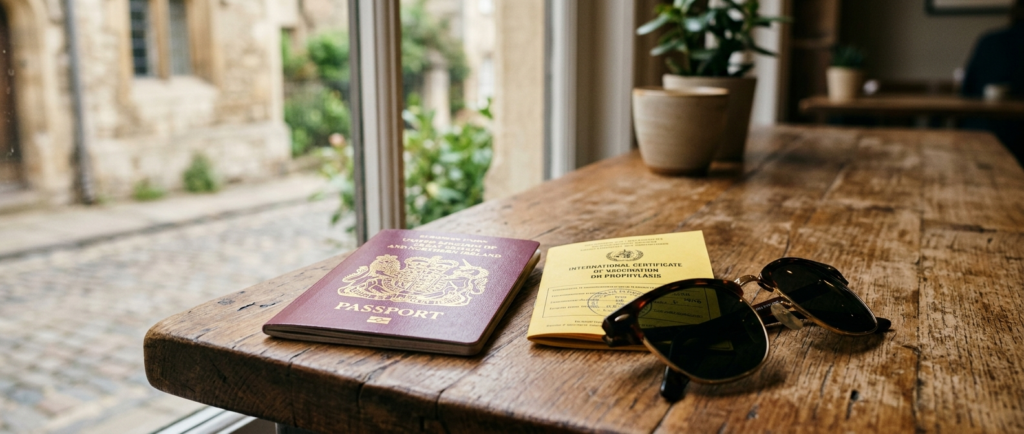
While maintaining an electronic copy of your vaccination records is certainly wise, most border control officers will require you to produce the actual yellow card called the “International Certificate of Vaccination.” Always make sure that you have your official copies of the vaccines needed for international travel.
Stay Safe on Your Next Journey
Completing the vaccinations required before international travel is the most responsible step you can take for your safety. It allows you to explore the world with peace of mind, knowing that common health risks do not threaten your protection. If you are still unsure about which jabs are right for your trip, visiting a professional immunization clinic page is the best way to get a personalized plan. Prepare today so that you can focus on making incredible memories on your next international adventure.
If you are travelling from the UK, Southdowns Pharmacy Group is a nationally award-winning provider with such convenient locations across Hampshire. Visit one of our clinically trained teams for expert advice and vaccinations at:
- Emsworth: Emsworth Pharmacy
- Havant: Bosmere Pharmacy and Davies Pharmacy
- Rowlands Castle: Rowland’s Castle Pharmacy
[bookly-form]

Oliver Ball
Part of the GPhC-registered pharmacy team at Southdowns Pharmacy, providing evidence-based health guidance across our Hampshire branches.