 Africa
  Caribbean
  Australasia & Pacific
  Thailand
  India
India  Cape Verde
  Kenya
Kenya Who Should Get the Flu Vaccine This Winter?
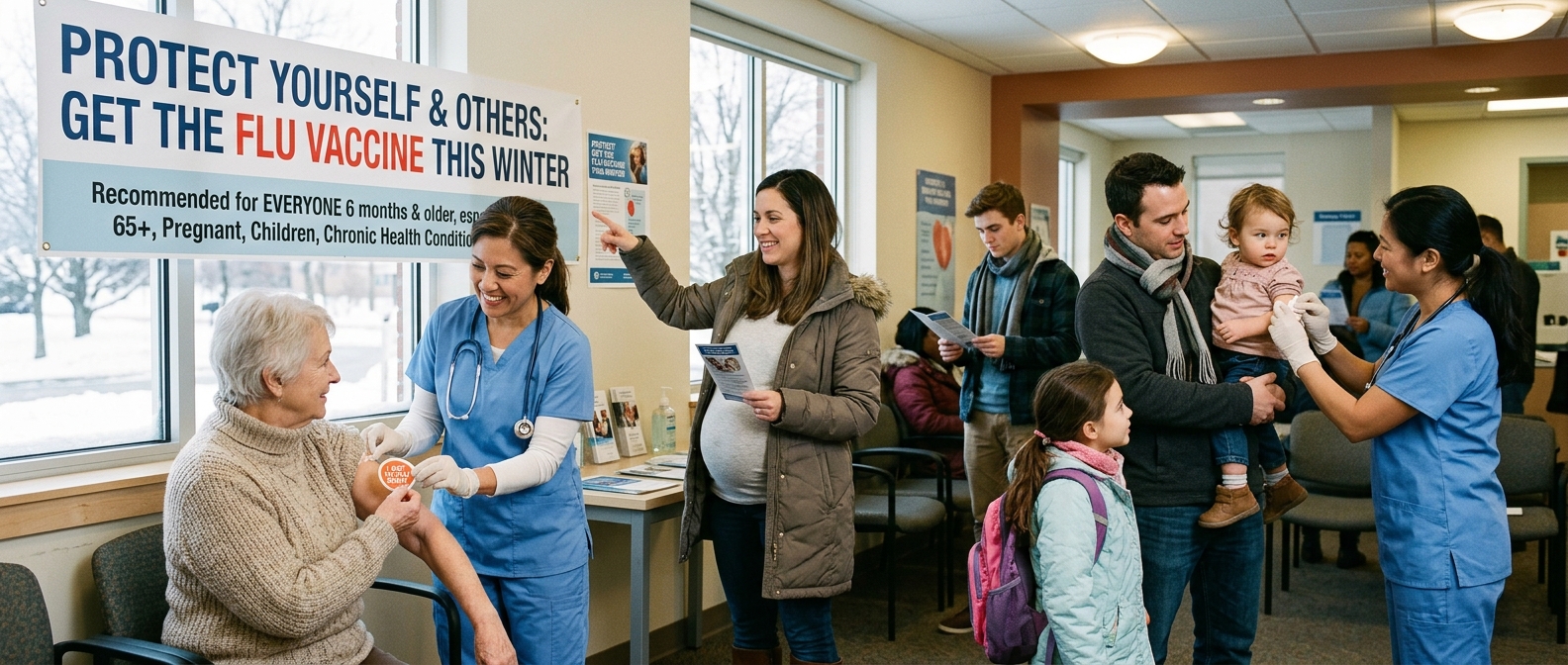
Waking up with a bad headache, aching joints and a temperature that won’t shift is nobody’s idea of a good winter morning. It can leave you wondering whether you actually need the jab this year. Flu jab who needs it is one of the most-asked questions as the nights draw in. The NHS answer is fairly clear: certain groups are offered the vaccine free every autumn because they’re most likely to become seriously unwell from flu, while others can still protect themselves privately.
Booking your NHS flu jab early, at your GP surgery or a local pharmacy, is one of the easiest ways to head into the colder months with one less thing to worry about.
This guide covers exactly who’s eligible, why timing matters, and what to do if you fall outside the free criteria.
Quick tip
Flu and COVID-19 vaccines can usually be given during the same visit, one in each arm. If you’re due both, ask your pharmacist to book them together and save a second trip.

Who Needs the Flu Vaccine This Winter?
Every year, the NHS offers the free flu vaccine to people more likely to develop serious complications from influenza, rather than to the whole population. Deciding who should get flu jab each season comes down to age, health status and personal circumstances, reviewed annually by the Joint Committee on Vaccination and Immunisation. For the 2026/27 season, there are no changes to who qualifies, so the same core groups remain a priority.
You’re likely eligible for a free NHS flu vaccine this winter if you:
- Are aged 65 or over
- Are pregnant, at any stage
- Have a long-term health condition affecting your heart, lungs, kidneys, liver or immune system
- Live in a care home or long-stay residential setting
- Are the main carer for an older or disabled person, or receive carer’s allowance
- Live with someone who has a weakened immune system
- Work on the frontline in health or social care
Are You 65 or Over? Here’s Why You’re a Priority
Age is the single biggest factor in flu vaccine eligibility, and anyone reaching 65 this winter is automatically offered the jab. As we get older, the immune system naturally weakens, making it harder to fight infections and raising the risk of flu leading to pneumonia or hospital admission. A flu vaccine for elderly patients is usually a slightly stronger formulation than the standard adult dose, designed for a better immune response in later life.
- People aged 65+ are typically offered a higher-dose or adjuvanted vaccine for stronger protection
- Those turning 65 before 31 March 2027 are usually included in this year’s programme
- Vaccination significantly reduces the risk of flu-related hospital stays in this age group
Do You Have a Long-Term Health Condition?
If you live with a chronic illness, flu isn’t just unpleasant. It can seriously worsen your underlying condition. This is why a high risk flu vaccine offer exists for people aged 18 to 64 with qualifying conditions, regardless of how mild or well-controlled it feels day to day.
Conditions that typically qualify include:
- Asthma, COPD or other breathing conditions requiring inhalers or steroid tablets
- Heart disease, including coronary heart disease or heart failure
- Chronic kidney or liver disease
- Diabetes, Addison’s disease, or neurological conditions such as Parkinson’s or MS
- A weakened immune system, including from chemotherapy or steroid treatment
- A BMI of 40 or above, a learning disability, or a missing/non-functioning spleen
Important note
If you’re unsure whether your condition qualifies, don’t guess. Speak to your GP surgery or pharmacist. Eligibility is often broader than people expect, and it costs nothing to check.
Is Pregnancy a Reason to Get the Flu Jab?
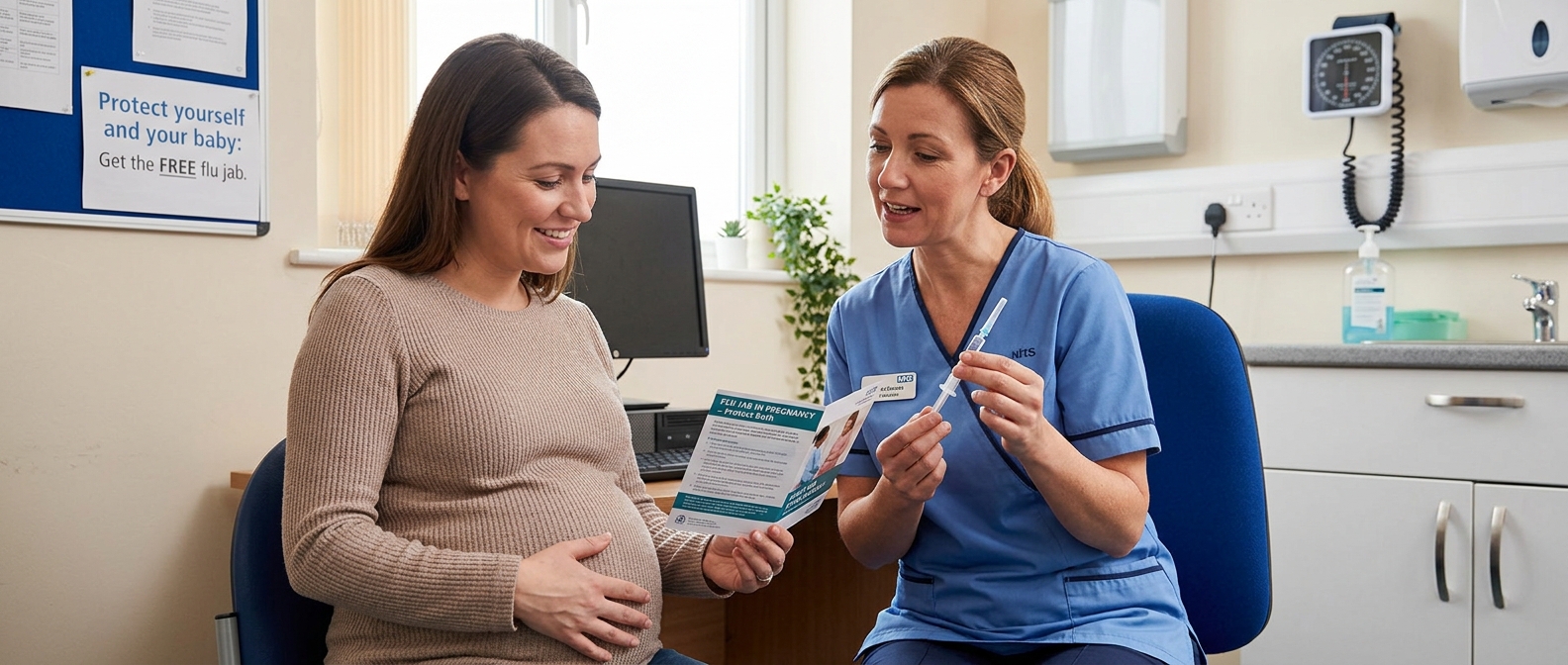
Yes. Pregnancy changes how your body responds to infections, and this applies at every stage, not just the later months. Flu during pregnancy carries a higher risk of complications for both mother and baby, including premature birth, which is why it is firmly included in the guidance for flu vaccination eligibility every year.
- Safe at any trimester, and recommended as soon as it’s offered
- Passes some protection to the baby in the first few months after birth
- Midwives, GPs and participating pharmacies can all administer it
What About Carers, Care Home Residents and Frontline Workers?
Flu spreads fastest in close-contact settings, so protection isn’t only about your own risk. It’s about the people around you too. Anyone in a long-stay care home, working in care, or acting as an unpaid carer is included in this year’s programme, alongside close contacts of people with weakened immune systems.
- Main carers and those receiving carer’s allowance qualify, even without a health condition themselves
- Care home residents are usually vaccinated on-site as part of a coordinated visit
- Frontline health and social care staff should get vaccinated through their employer or occupational health scheme
- Household contacts of immunosuppressed individuals remain a priority group this season
Can Children Get the Flu Vaccine Too?
Children spread flu more easily than adults and often carry it home, so the NHS runs a separate, nasal-spray-based programme for younger age groups. Primary and secondary school-aged children (Reception to Year 11), all 2 and 3-year-olds, and children with clinical risk conditions are offered vaccination through school or their GP.
- Most children get a quick, painless nasal spray rather than an injection
- Vaccinating children helps reduce transmission to older, more vulnerable relatives
- Children with egg allergies can usually still be vaccinated, but staff should be told beforehand
Not Eligible for the Free NHS Jab? Here’s What You Can Do
Falling outside the eligible groups doesn’t mean vaccination isn’t worthwhile. Plenty of healthy adults choose to protect themselves, especially if they work in a customer-facing role, travel often, or simply want to avoid weeks of lost time to illness. In these cases, a private flu vaccine is a straightforward, affordable option without needing to meet NHS criteria.
- Private appointments are typically available same-day, with no referral needed
- The same licensed vaccines used in the NHS programme are used privately
- A sensible option for flu vaccine for adults who want protection but don’t qualify for free
Flu Vaccine Eligibility Summary
Here’s a quick-reference summary of who typically qualifies for a free NHS flu vaccine this season, alongside what’s usually offered to each group.
| Group | Eligible for | Vaccine type |
|---|---|---|
| Aged 65 and over | Free NHS vaccine | Higher-dose/adjuvanted |
| Aged 18 to 64 with a health condition | Free NHS vaccine | Standard adult dose |
| Pregnant women | Free NHS vaccine | Standard adult dose |
| Care home residents | Free NHS vaccine | Standard adult dose |
| Carers/carer’s allowance recipients | Free NHS vaccine | Standard adult dose |
| Frontline health/social care workers | Free via employer | Standard adult dose |
| Children (2 to 3 yrs, Reception to Year 11) | Free NHS vaccine | Nasal spray |
| Healthy adults outside these groups | Private vaccine | Standard adult dose |
Getting Protected Before Winter Hits
Flu tends to peak in December and January, and it takes around two weeks for the vaccine to give full protection, so getting vaccinated early in autumn gives your immune system the best head start. As a trusted pharmacy group we cover across four Hampshire locations, our team makes it simple to check your eligibility and get vaccinated without a long wait, whether that’s an NHS flu jab or a private appointment. If you’re after a flu vaccine Hampshire residents can rely on, same-day slots are available across our branches, so there’s rarely a reason to put it off.
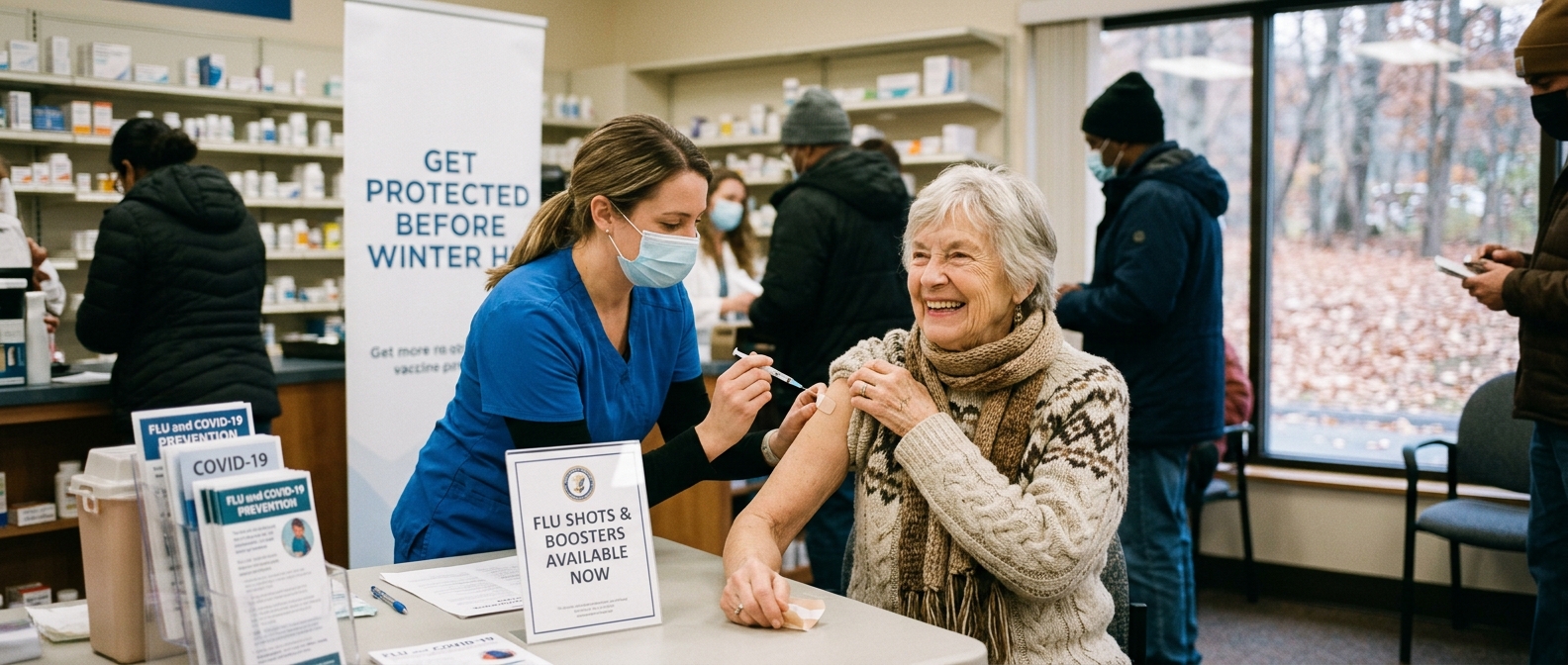
Book Your Flu Vaccine Today
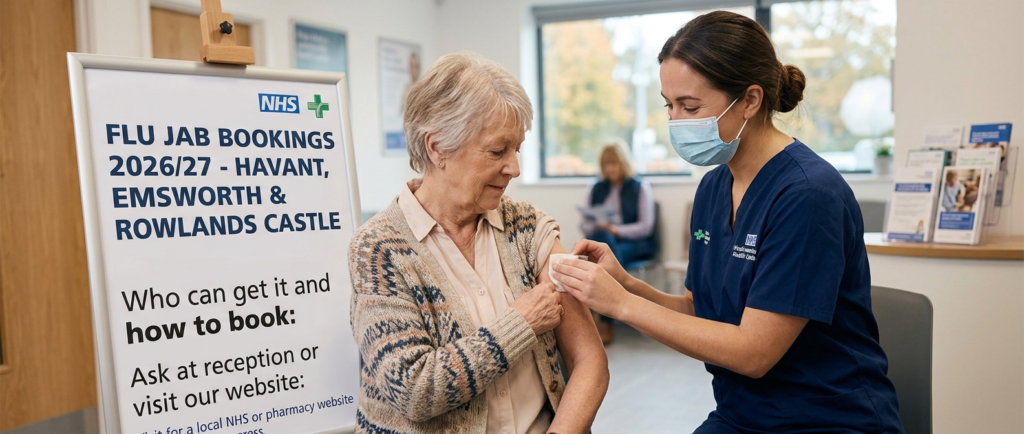
Same-day appointments are available at our Bosmere, Davies, Emsworth and Rowlands Castle pharmacies. Whether you’re eligible for an NHS vaccination or booking privately, our pharmacists can confirm your eligibility and help you get protected before flu season peaks.
Book Your AppointmentFAQs
Is the flu vaccine free for everyone on the NHS?
No, it’s only free for specific groups such as those aged 65+, pregnant women, people with certain health conditions, carers and care home residents. Everyone else can access it privately.
Can I get the flu vaccine and COVID booster at the same time?
Yes, both are usually given in the same appointment, one in each arm, with no need to space them apart.
When is the best time to get the flu vaccine?
Ideally in September or October, before flu circulates widely, since full protection takes about two weeks to build up.
Does the flu vaccine contain a live virus?
No, injected flu vaccines used in the UK don’t contain a live virus, so they can’t give you flu, though a sore arm or mild fatigue is common.

Oliver Ball
Part of the GPhC-registered pharmacy team at Southdowns Pharmacy, providing evidence-based health guidance across our Hampshire branches.