 Africa
  Caribbean
  Australasia & Pacific
  Thailand
  India
India  Cape Verde
  Kenya
Kenya Yellow Fever Vaccine in Hampshire: The Complete Guide
If your trip touches tropical Africa or South America, yellow fever is the one vaccination that can decide whether you board the plane. Some countries will not let you in without proof of it — and in the UK it cannot be given at an ordinary pharmacy or GP surgery. It is only available at a designated Yellow Fever Vaccination Centre.
Our Bosmere Pharmacy in Havant is a NaTHNaC-designated Yellow Fever Vaccination Centre, which means we can both vaccinate you and issue the official certificate you may be asked for at the border. This guide covers who needs the vaccine, which countries require it, how the certificate works, who should not have it, what it costs and how to book.
What is yellow fever?
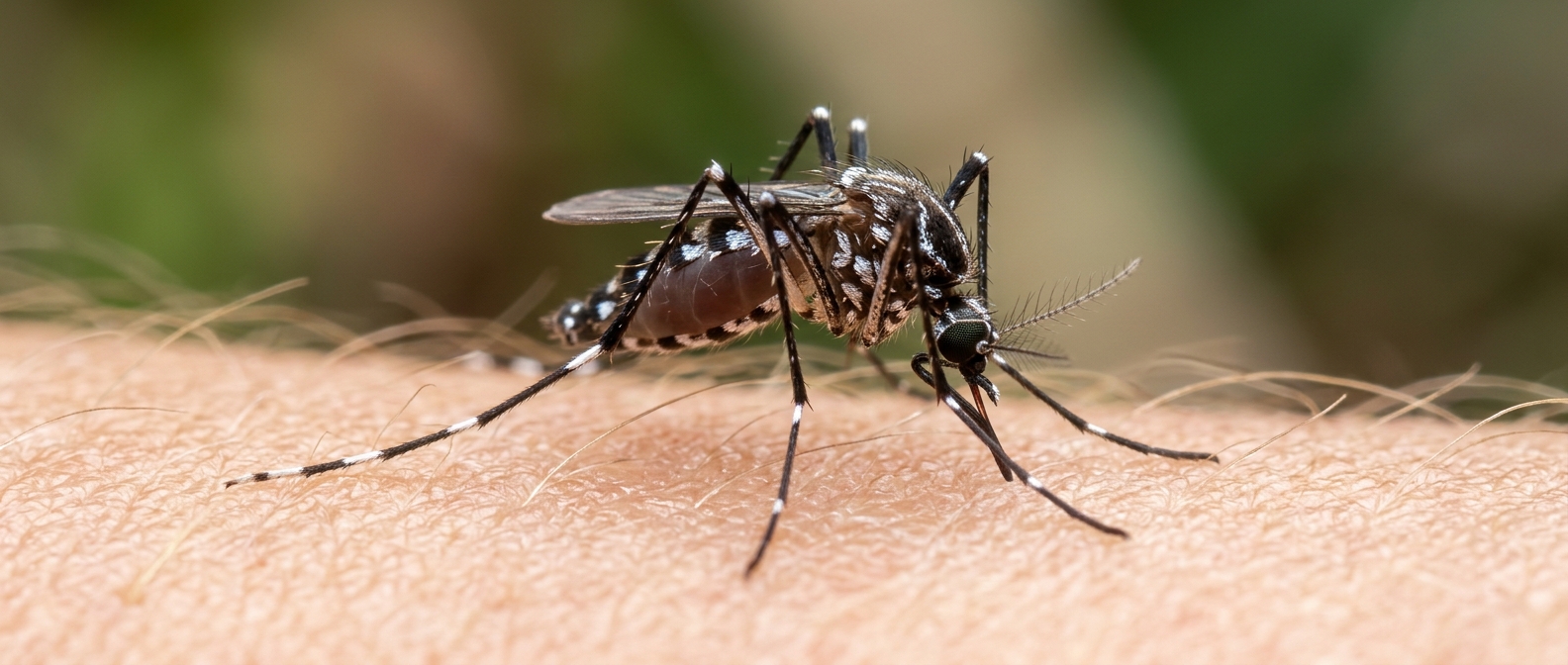
Yellow fever is a viral infection spread by mosquitoes in parts of Africa, Central and South America, and in Trinidad in the Caribbean. The virus circulates between mosquitoes, monkeys and humans, and the mosquitoes that carry it bite during the day.
Most people who catch it develop fever, headache, muscle pain, nausea and vomiting. Many recover — but some go on to a far more serious phase involving jaundice (the yellowing of the skin that gives the disease its name), bleeding and severe damage to the liver, kidneys and heart. Among those who reach that stage, the mortality rate is high.
There is no treatment and no antiviral cure. Doctors can only manage the symptoms and support the patient. That leaves two defences — the vaccine and avoiding mosquito bites — which is why so many countries check your certificate at the border.
Required for entry, or recommended for protection?
This distinction confuses more travellers than anything else, and getting it wrong means either being turned back or travelling unprotected.
Required for entry means a country demands a valid certificate before letting you in. Some require it from all arrivals; many more require it only if you have come from — or merely transited through — a country with yellow fever risk.
Recommended for protection means you are heading into an area where the virus circulates, so vaccination is advised for your own safety regardless of paperwork.

NaTHNaC makes an important point here: a requirement for a certificate is not always related to your actual risk of catching yellow fever. Countries with no yellow fever of their own may still demand your certificate to stop the disease being imported — India being the classic example. So the two questions really are separate, and both need answering for your specific route.
→ Which countries require the yellow fever vaccine? Including how transit rules catch people out.
The vaccine: one dose, protection for decades
There is currently one licensed yellow fever vaccine in the UK: Stamaril® (Sanofi), which contains a weakened form of the virus and protects against all strains.
A single dose produces immunity in 95 to 100 per cent of people. It can be given from nine months of age; infants aged six to eight months are only vaccinated on specialist advice where travel to a high-risk area is unavoidable.
Your certificate is valid for life
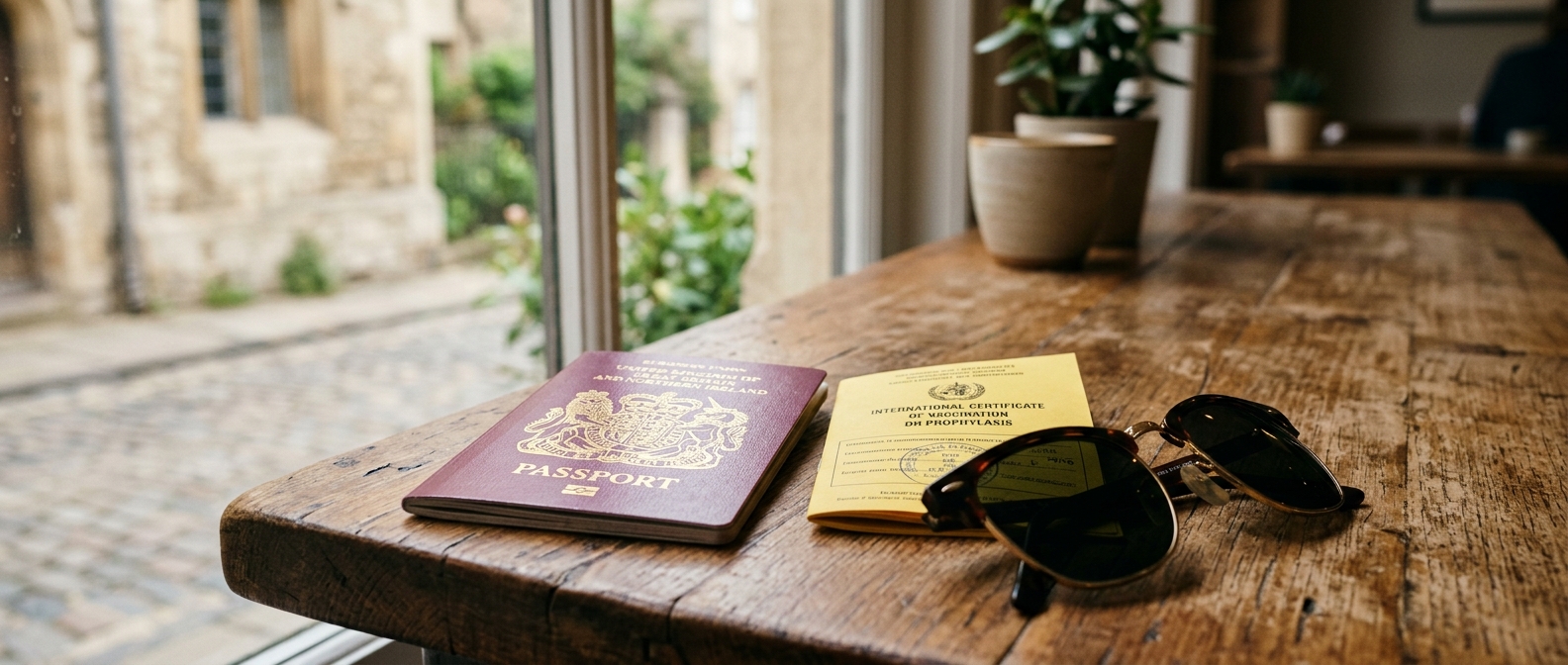
Proof of vaccination is recorded in an International Certificate of Vaccination or Prophylaxis (ICVP) — the document checked at borders. Two facts matter more than any others.
It lasts for life. Since 11 July 2016, when an amendment to the International Health Regulations came into force, a yellow fever certificate is valid for the lifetime of the person vaccinated. That applies to existing certificates too, and countries cannot demand a booster as a condition of entry. If you were vaccinated decades ago and still have the certificate, you may need nothing further.
It becomes valid 10 days after vaccination. Not on the day of the jab. If a border demands your certificate, you must be vaccinated at least ten days before you arrive — and this is the single most common reason travellers get caught out.
→ Everything about the yellow fever certificate, including lost certificates and exemption letters.
Who should not have it
Because this is a live vaccine, it is not suitable for everyone. UK guidance requires every patient to be taken through a standardised pre-vaccination checklist, brought in after the Commission on Human Medicines reviewed serious reactions to the vaccine. We work through that checklist with you before any decision is made about vaccinating.
It is not given under any circumstances to infants under six months; anyone who has had an anaphylactic reaction to a previous dose or any vaccine component; anyone with a thymus disorder or who has had their thymus removed for any reason, including incidentally during heart surgery; anyone significantly immunosuppressed by illness or treatment; anyone with a close blood relative who had a serious reaction to the vaccine without a known cause; and travellers aged 60 or over heading only to areas classed as low potential for exposure.
Additional care and individual assessment apply to travellers aged 60 and over, pregnant women, infants aged six to eight months, people living with well-controlled HIV, and those on low-dose steroids or non-biological immune-modulating medicines.
→ Who cannot have the yellow fever vaccine — the full detail, and how exemption letters work.
Side effects: the honest picture
Most people have no real trouble. NaTHNaC reports that 10 to 30 per cent of people get mild, short-lived effects in the first five to ten days — a sore arm, headache, muscle aches or a mild fever. These settle on their own.
Serious reactions are rare, but they do happen, and they are worth knowing about because they explain why the eligibility rules are as strict as they are. There are three types: a severe allergic reaction, a reaction affecting the nervous system, and a reaction that resembles yellow fever disease itself. The last two have almost only ever occurred after a first dose, and they become more likely with age, which is why there are extra precautions for travellers over 60.
For someone heading into a genuine risk area, the disease is far more dangerous than the vaccine — which is why the WHO still recommends vaccination for at-risk travel. Everyone we vaccinate is told the early warning signs to watch for and when to seek urgent help, and takes home the manufacturer’s information leaflet.
Do you ever need a booster?
For entry requirements: no, never. Your certificate is valid for life and no border may demand a second dose.
For protection: rarely. UK guidance identifies a small subset of travellers who may be advised to have one further dose, generally where the immune response to the first may have been reduced. We assess this individually — but most people never need a second dose in their lifetime.
Mosquito bite avoidance still matters
Vaccination is not the whole answer. The mosquitoes that transmit yellow fever bite during the day, from dawn to dusk — the opposite pattern to malarial mosquitoes, which bite at night. On many itineraries you need protection around the clock, and bite avoidance also protects against dengue and other mosquito-borne infections that no vaccine on your schedule will cover.
- Use a DEET-based repellent on exposed skin, reapplied as directed
- Cover up with long sleeves and trousers, particularly at dawn and dusk
- Sleep under a treated net where rooms are not screened or air-conditioned
- Use air conditioning and window screens where available
We stock travel-strength DEET repellents at all four branches. For anyone who cannot be vaccinated, this becomes the entire strategy rather than a supplement to it.
When to book
- At least 10 days before you travel — the hard minimum, for certificate validity and for protection.
- Four to six weeks before, ideally — this lets us schedule yellow fever around any other vaccines your trip needs, and around the four-week spacing advised between yellow fever and MMR.
- Inside the 10-day window? Contact us anyway. We will tell you honestly what is and is not possible, and what your options are.
Yellow fever vaccine near you in Hampshire
Designated Yellow Fever Vaccination Centres are relatively thin on the ground, so travellers routinely drive some distance for one. Our Bosmere branch is easy to reach from across the region.
Bosmere Pharmacy
Bosmere Medical Centre, Solent Road, Havant, Hampshire, PO9 1DQ
Telephone 023 9248 1721
Open Monday to Saturday 8am–9pm and Sunday 10am–2pm — seven days a week, with early and late appointments to fit around work. Free parking directly outside, and easy access from the A27 and A3(M).
We see travellers from Havant, Portsmouth, Southsea, Waterlooville, Emsworth, Fareham, Gosport, Petersfield, Chichester, Bedhampton, Rowlands Castle and across Hampshire and West Sussex. Bedhampton station is around a seven-minute walk and Havant station about eleven.
What happens at your appointment

Allow around 20 minutes. There is no fasting or special preparation, and no GP referral.
- Your itinerary, leg by leg. We go through every destination and every stopover, including the ones where you never leave the terminal, and check them against live NaTHNaC country records.
- The pre-vaccination checklist. A standardised medical history covering the contraindications above — allergies, immune conditions, medicines, previous surgery, family history.
- The decision. Vaccinate, or not. If not, we explain why and discuss an exemption letter and bite-avoidance strategy.
- Vaccination and certificate. A single injection in the upper arm, then your ICVP completed, signed and stamped there and then.
- The rest of your trip. Advice on any other vaccines and antimalarials your route calls for.
What to bring: your passport (so the certificate matches it exactly), your full itinerary including flight connections, a list of all your medicines, and any previous yellow fever certificate or vaccination records you have.
What else will your trip need?
Yellow fever is rarely the only thing on the list. Most destinations that carry yellow fever risk also warrant other vaccines, and often antimalarials — so it is usually more efficient, and cheaper in travel time, to sort everything in one appointment.
Mention your full trip when you book and we will plan the whole schedule in one go, including the spacing rules between live vaccines.
Cost
Yellow fever vaccination at Southdowns Pharmacy is £95, which includes your International Certificate of Vaccination or Prophylaxis. There is no separate certificate fee. Your appointment includes the full pre-vaccination risk assessment with our pharmacist, the vaccination itself where appropriate, your certificate, and advice on any other vaccines or antimalarials your route calls for.
No GP referral is needed, and we confirm the total cost before anything goes ahead. You can see our full price list or the main yellow fever service page.
Read more on yellow fever
- Which countries require the yellow fever vaccine?
- The yellow fever certificate (ICVP) explained
- Who cannot have the yellow fever vaccine
- Do I need it for Kenya or a safari?
- Travel vaccines for Africa
Frequently asked questions
Where can I get the yellow fever vaccine near me in Hampshire?
At our Bosmere Pharmacy in Havant, a NaTHNaC-designated Yellow Fever Vaccination Centre, serving Portsmouth, Fareham, Chichester and the surrounding area.
Is the yellow fever vaccine once for life?
For most people, yes. One dose gives immunity in 95 to 100 per cent of recipients, protection lasts at least 35 years and is likely lifelong, and your certificate is valid for life.
How long before travel do I need it?
At least 10 days, because that is when your certificate becomes valid. Four to six weeks is better if you need other vaccines too.
How much does it cost?
£95, including your certificate and the pre-vaccination assessment.
Do I need a GP referral?
No. You can book directly with us.
Why can’t I get it at any pharmacy?
Because under international regulations it can only be given at a designated Yellow Fever Vaccination Centre, which is also the only place authorised to issue your certificate.
What are the side effects?
Mild effects affect 10 to 30 per cent of people in the first five to ten days — sore arm, headache, muscle aches or mild fever. Serious reactions are rare, occur almost only after a first dose, and become more likely with age, which is why the assessment matters.
Do I need a booster?
Not for entry — your certificate is valid for life. A small subset of travellers may be advised to have one further dose for protection, assessed individually.
How long does the appointment take?
Around 20 minutes, including the assessment, the vaccination and your certificate. Bring your passport, full itinerary and medication list.
Do I still need to worry about mosquito bites if I’m vaccinated?
Yes. The vaccine protects against yellow fever only, and the same mosquitoes can carry dengue and other infections. These species bite during the day, so cover is needed around the clock.
Can I get my other travel vaccines at the same time?
Usually yes, and it saves a second trip. Tell us your full itinerary and we will plan the schedule, including the spacing rules between live vaccines.
Can I have it if I’m over 60?
Often yes, where your destination carries genuine risk — but it requires individual assessment, because rare serious reactions become more likely with age. If you are travelling only to a low-risk area, it is not given.
This guide is general information for UK travellers, checked against NaTHNaC/TravelHealthPro guidance and the WHO International Health Regulations (2005). It is not a substitute for individual assessment — your suitability for the yellow fever vaccine is always decided at a face-to-face consultation. Country requirements change, and we check live records at every appointment.

pharmodigital2026
Part of the GPhC-registered pharmacy team at Southdowns Pharmacy, providing evidence-based health guidance across our Hampshire branches.