 Africa
  Caribbean
  Australasia & Pacific
  Thailand
  India
India  Cape Verde
  Kenya
Kenya Blood Test for Diabetes: What Your Results Mean

If you have had a blood test for diabetes, the result usually arrives as a single number with very little explanation. This guide sets out what that number means, the thresholds used in the UK, and, most importantly, what you can do about it.
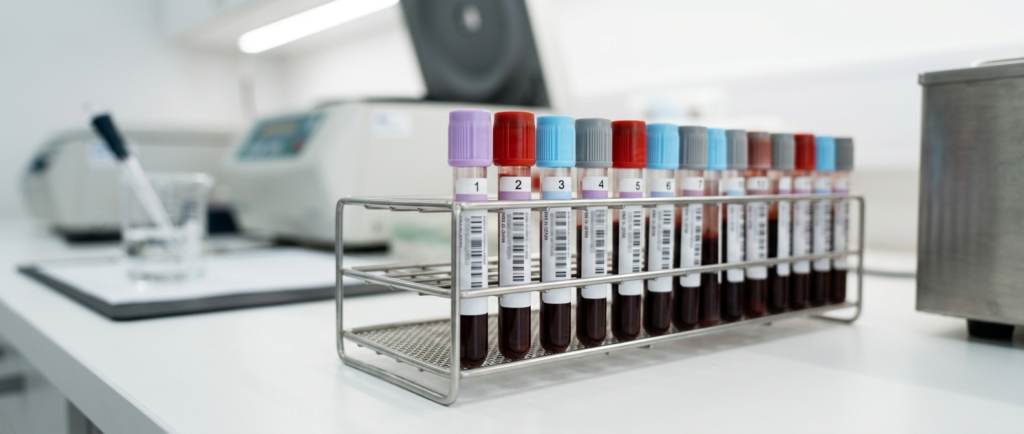
It forms part of our guide to understanding your blood test results. If you would like to be tested, we offer private blood tests in Hampshire with results in 24 to 48 hours.
The two tests used to check for diabetes
There are two common measurements, and knowing which one you have had matters, because the numbers are completely different scales.
HbA1c reflects your average blood sugar over roughly the previous two to three months. It is reported in mmol/mol and does not usually require fasting, which makes it the more convenient option.
Fasting blood glucose is a snapshot of your blood sugar after not eating for at least eight hours. It is reported in mmol/L.
HbA1c: typical UK thresholds
Fasting glucose: typical UK thresholds
Thresholds can vary slightly between laboratories and guidelines, so always read your result against the range printed on your own report.
One test does not equal a diagnosis
This is the single most important thing to understand. A result in the diabetes range does not by itself diagnose diabetes. Diagnosis normally requires a repeat test to confirm it, or a result alongside clear symptoms, and it must be made by a doctor.
Results can also be temporarily skewed by recent illness, steroid medication, pregnancy, or certain blood conditions that affect HbA1c accuracy. So a single raised number is a reason to look further, not a reason to panic.
What “pre-diabetes” actually means
If your result falls in the increased-risk band, it means your blood sugar is higher than ideal but not in the diabetes range. This is genuinely good news, because it is the point at which the most can be done.
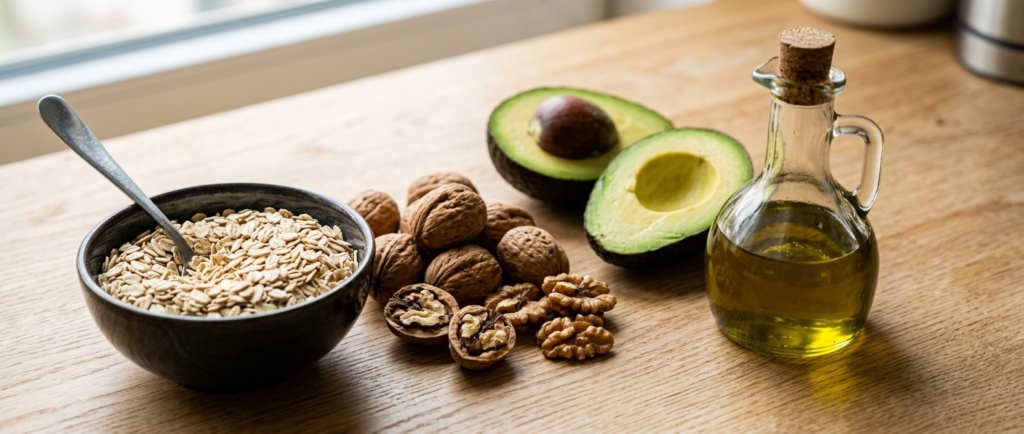
Evidence consistently shows that progression to type 2 diabetes can often be delayed or prevented through changes to weight, diet and activity. Practical steps that make a measurable difference include:
- losing a modest amount of weight, particularly around the middle;
- reducing sugary drinks and refined carbohydrates;
- building regular activity into the week, including some resistance work;
- improving sleep, which affects insulin sensitivity more than most people realise;
- having your levels rechecked so you can see whether changes are working.

What to do if your result is in the diabetes range
Speak to your GP, who can arrange confirmatory testing and discuss treatment. Do not make changes to any existing medication on the basis of a single private test result. If you have symptoms such as significant thirst, frequent urination, unexplained weight loss or blurred vision, contact your GP promptly.
Symptoms worth checking
Type 2 diabetes often develops with no symptoms at all, which is why screening is useful. When symptoms do appear, the common ones are increased thirst, needing to urinate more often, particularly at night, tiredness, blurred vision, slow-healing cuts, and recurrent thrush or infections.
Worth checking at the same time
Blood sugar, cholesterol and general health markers are closely connected, and all can be checked from a single blood draw at our Havant phlebotomy centre.
- Cholesterol levels explained — raised blood sugar and raised cholesterol frequently occur together.
- Full blood count results explained — a broad view of your general health.
- Thyroid test results explained — another common cause of tiredness and weight change.
Frequently asked questions
What is a normal HbA1c?
Below 42 mmol/mol is generally considered normal, 42 to 47 indicates increased risk, and 48 or above falls in the diabetes range.
Do I need to fast for a diabetes blood test?
An HbA1c test usually does not require fasting; a fasting glucose test does. We confirm exactly what is needed when you book.
Can pre-diabetes be reversed?
Often, yes. Progression to type 2 diabetes can frequently be delayed or prevented through weight, diet and activity changes.
Does one high result mean I have diabetes?
No. Diagnosis normally requires confirmation with a repeat test, or a result alongside symptoms, and must be made by a doctor.
How often should I be screened?
If you have risk factors, periodic screening is sensible. Your pharmacist can advise on a reasonable interval for you.
This guide is general information and not a diagnosis or a substitute for advice from your GP. Our screening is a private screening service; thresholds vary between laboratories and guidelines. If you have urgent or serious health concerns, please contact your GP or NHS 111.

pharmodigital2026
Part of the GPhC-registered pharmacy team at Southdowns Pharmacy, providing evidence-based health guidance across our Hampshire branches.