
 Africa
  Caribbean
  Australasia & Pacific
  Thailand
  India
India  Cape Verde
  Kenya
Kenya Full Blood Count Results Explained
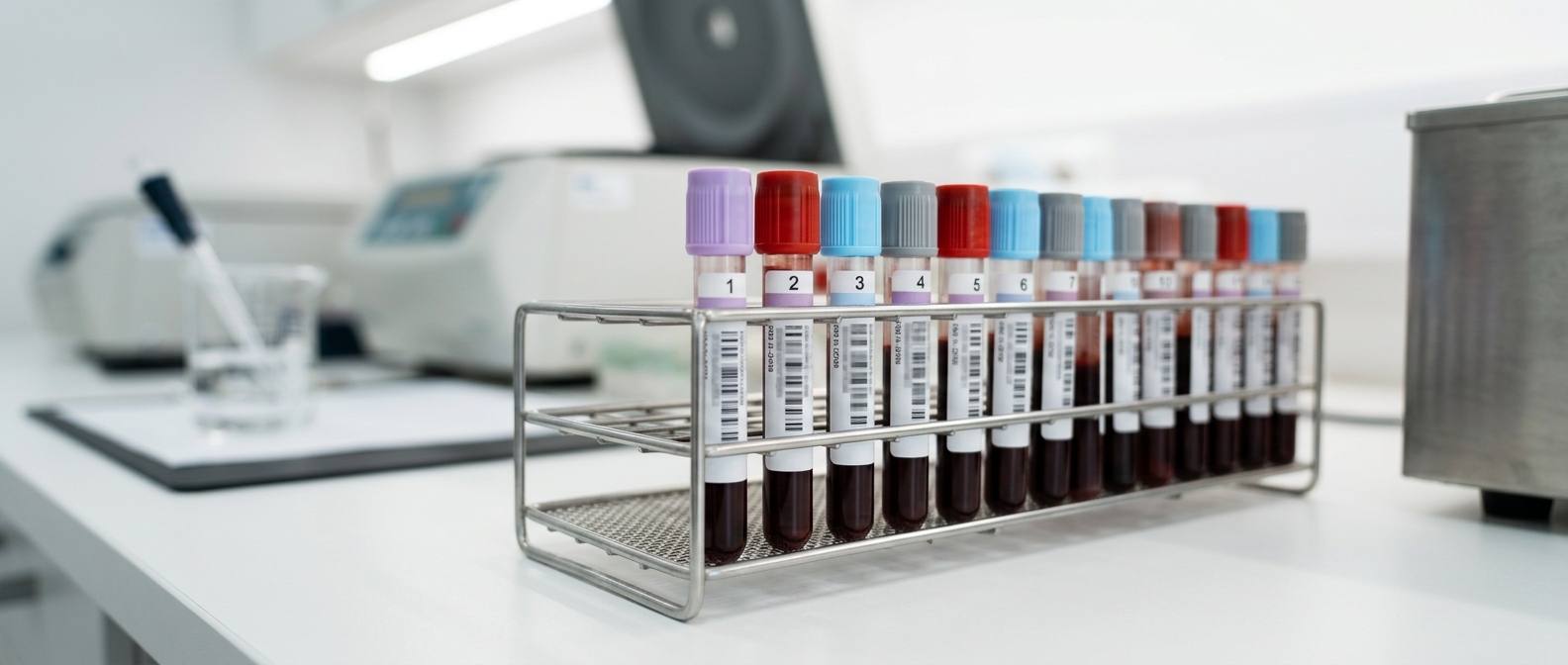
A full blood count test produces more numbers than any other routine test, which makes it the one people most often stare at without knowing where to start. This guide explains the main markers, what they indicate, and which ones matter most.
Existing content
It is part of our guide to understanding your blood test results. To book, see our private blood tests in Hampshire.
The three groups of cells an FBC measures
Red blood cells carry oxygen. The key marker is haemoglobin (Hb), the protein that does the carrying. Alongside it you will see MCV (average red cell size), MCH, and haematocrit. Typical adult haemoglobin sits roughly around 130–170 g/L for men and 120–150 g/L for women, varying by laboratory.
White blood cells fight infection. The total is the WBC count, broken down into neutrophils, lymphocytes, monocytes, eosinophils and basophils. Which type is raised offers a clue about what is going on.
Platelets help your blood clot. Too few can mean easy bruising or bleeding; too many can raise clotting risk.
What the common abnormal patterns suggest
- Low haemoglobin: anaemia. The MCV then helps point to the cause — small cells often suggest iron deficiency, large cells can suggest a B12 or folate deficiency.
- Raised white cells: commonly an infection or inflammation. Raised neutrophils often point to bacterial infection; raised lymphocytes more often viral.
- Low white cells: can follow a viral illness or relate to certain medications.
- Low platelets: can follow infection or relate to medication; significant drops need investigating.
- Raised platelets: often a reaction to inflammation, infection or iron deficiency.
Most abnormal FBC results have straightforward explanations, and many resolve on a repeat test a few weeks later. What matters is the overall pattern and the size of the change, rather than one result being slightly outside the normal FBC Hb range

Why an FBC is such a useful general check
Because it covers oxygen transport, immune function and clotting in one sample, an FBC is often the first test used when someone feels persistently tired, run down, breathless, or is picking up infections more than usual. It is also a genuinely useful baseline to have on record when you are well, so future results have something to be compared against.
The link between an FBC and tiredness
Fatigue is the single most common reason people ask for a blood test, and anaemia is one of the most common findings behind it. That said, it is not the only candidate: thyroid problems and B12 deficiency produce very similar symptoms. If unexplained tiredness is your main concern, it is often worth looking at more than one thing.
- Thyroid test results explained — another very common cause of fatigue.
- Cholesterol levels explained — worth checking alongside general health markers.
Frequently asked questions
What is a full blood count test for?
It checks three things in one go — your red cells, white cells and platelets — to spot issues like anaemia, infection or clotting problems. It’s usually the first test doctors reach for if you’re feeling run down.
Full blood count test results explained UK
UK labs typically report haemoglobin around 130–170 g/L for men and 120–150 g/L for women, alongside white cell and platelet counts. Ranges vary slightly by lab, so always check the figures printed on your own report.
FBC blood test results explained
Low haemoglobin usually points to anaemia. Raised white cells often mean infection. Low or high platelets affect clotting. One value slightly out of range isn’t usually a worry — the pattern matters more than a single number.
Can a full blood count test detect pregnancy?
No — an FBC doesn’t test for pregnancy. It only looks at red cells, white cells and platelets. A pregnancy test checks a different hormone (hCG), so you’d need a separate test for that.
What does a full blood count show?
Your red cells and haemoglobin, your white cells, and your platelets — covering oxygen transport, immune function and clotting.
Can an FBC detect anaemia?
Yes. Low haemoglobin is the main indicator, and the red cell indices help point to the likely cause.
Do I need to fast for a full blood count?
Usually not. Any preparation is confirmed when you book.
What if one value is slightly out of range?
That is common and often not significant. Your pharmacist will explain whether it matters and whether a repeat test is sensible.
This guide is general information and not a diagnosis or a substitute for advice from your GP. Reference ranges vary between laboratories. If you have urgent or serious health concerns, please contact your GP or NHS 111.

pharmodigital2026
Part of the GPhC-registered pharmacy team at Southdowns Pharmacy, providing evidence-based health guidance across our Hampshire branches.