
 Africa
  Caribbean
  Australasia & Pacific
  Thailand
  India
India  Cape Verde
  Kenya
Kenya Understanding Weight Management: What a Consultation Can Offer
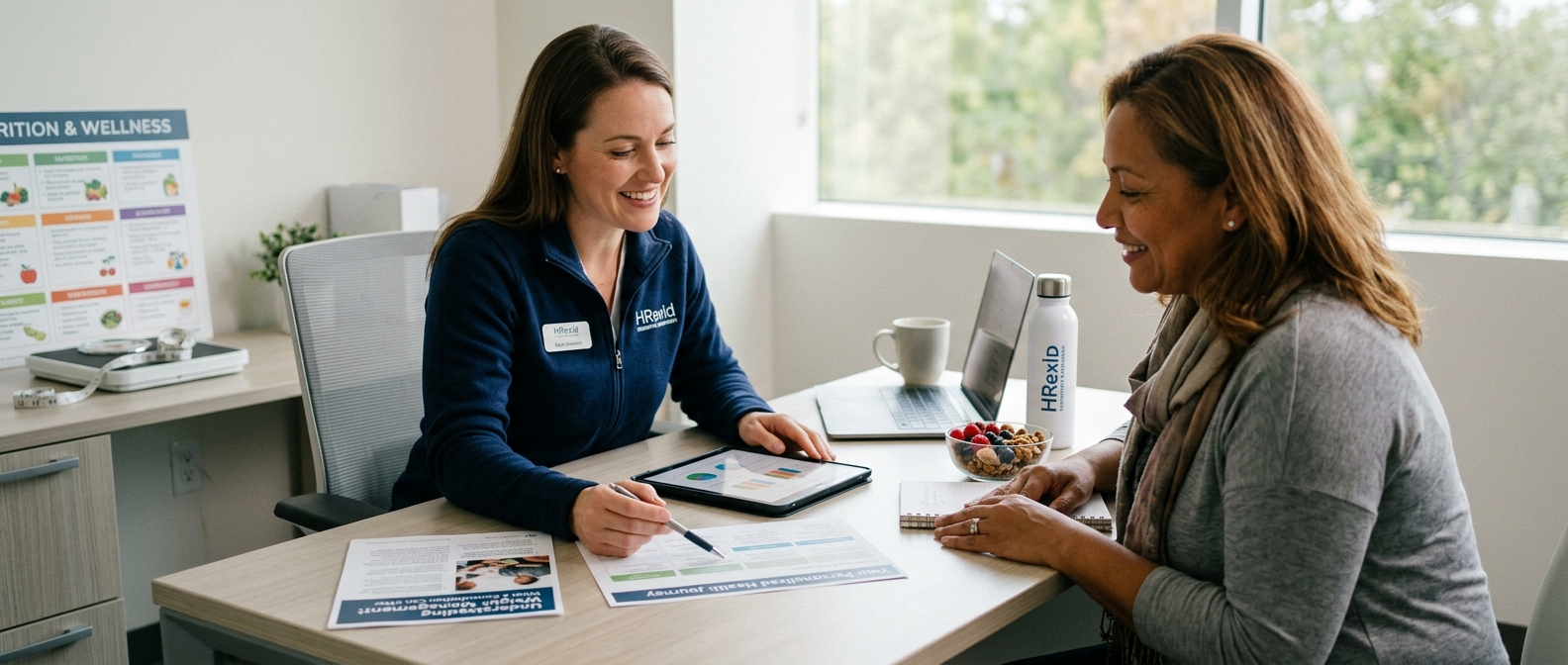
Weight loss is complicated but with the right guidance, you can turn the impossible into the possible. It’s not just about how we look. Carrying excess weight raises the risk of type 2 diabetes, heart disease, high blood pressure, and certain cancers, and it can wear on mental health too, feeding into low self-esteem, anxiety, and low mood. So what actually helps, and what role can professional support play? Here’s a grounded look at both.
Why Even a Small Amount of Weight Loss Matters
You don’t need to lose a dramatic amount of weight to see real benefits. Losing even 3–5% of your body weight can start to lower blood sugar and improve blood fat levels, cutting the risk of type 2 diabetes. But losing 5–10%, the amount health professionals generally recommend, tends to improve blood pressure, cholesterol and sleep as well.
Weight management is not the same for everyone. It depends on your daily habits, genetics, hormones, and existing medical conditions, all of which shape what works for a given person. Small, consistent changes can have a bigger impact than people expect, and mindset is an important factor in making them stick.
Where a Consultation-Led Approach Comes In
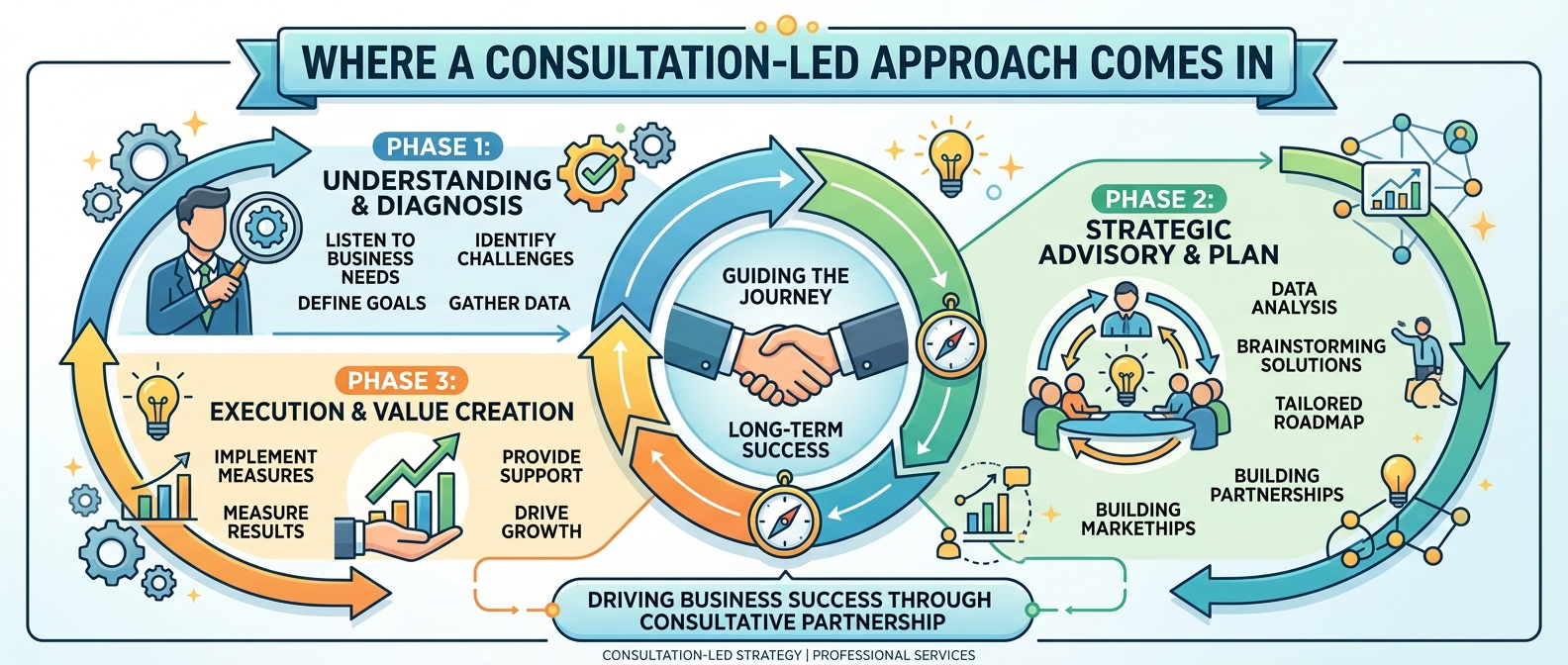
There’s no single fix that works for everyone, which is exactly why weight management is best approached with proper guidance rather than guesswork. A good starting point is a full, one-to-one consultation with a qualified healthcare professional who can look at your health history, current lifestyle, and goals, and help you understand what’s realistic and appropriate for you.
For some people, this kind of assessment may identify clinically appropriate options as part of a wider, structured plan. Any decision like that is made carefully, on a case-by-case basis, by a prescriber who knows your full medical history, never as a general offering, and never without a proper assessment first.
What matters most is that any plan sits alongside the fundamentals: diet, movement, sleep, and stress management. These aren’t just a backdrop; they’re the foundation. Take them away, and long-term results tend to slip, regardless of what else is involved in a plan.
Ready to Discuss Your Weight Management Options?
Speak with a qualified healthcare professional to discuss your goals, health history and whether a structured weight management approach may be appropriate for you.
Book a Weight Management PlanWhat to Think Through Before Booking a Consultation
A few questions are worth sitting with before this conversation goes any further.
What does your health picture actually look like?
Thyroid issues, certain digestive conditions, and a history of specific cancers can all shape what’s appropriate for you, and a proper consultation is the only way to know for sure.
What are you really hoping to get out of it?
Sustainable change tends to come from a bigger plan, one that includes nutrition, movement, and sometimes psychological support, rather than any single intervention on its own.
Who’s actually guiding this decision?
This issue is not something to sort out through a generic online form. It calls for a qualified healthcare professional who knows your history and can assess you properly, either face to face or through a proper clinical consultation process.
What happens after?
Any plan should include a clear view of how progress is maintained over time, because that’s often where things get harder, not easier.
Looking at the Whole Picture
These days, people talk about weight management a lot, and it’s understandable why they want to know more. But lasting change usually comes from several things working together: food, movement, sleep, stress management, and, for some, the right professional support layered in.
If you’re weighing up your options, the best starting point isn’t a search engine. It’s an honest conversation with a healthcare professional who actually knows your history, someone who can tell you what’s realistic, what the trade-offs look like, and what kind of support could genuinely help you.
This guide is intended for general information only and should not replace personalised advice from a qualified healthcare professional. Weight management options are not suitable for everyone and should always be considered following an appropriate clinical assessment.
This guide is intended for general information only and should not replace personalised advice from a qualified healthcare professional. Weight management options are not suitable for everyone and should always be considered following an appropriate clinical assessment.
FAQs
1. Is weight management support right for me?
It may be worth considering if you have been struggling to manage your weight or would like professional guidance. A consultation can help determine what approach may be appropriate for your individual circumstances.
2. How do I know which weight management option is suitable for me?
There is no single option that works for everyone. A qualified healthcare professional can review your health history, lifestyle, current medicines and goals before discussing suitable options.
3. What happens during a weight management consultation?
Your healthcare professional may discuss your medical history, current health, lifestyle, previous weight-management efforts and goals. This helps them assess your circumstances and determine what support may be appropriate.
4. What if I have tried losing weight before and struggled?
Weight management can be affected by many factors, including lifestyle, genetics and health conditions. A consultation can help you understand what may have made previous attempts difficult and what support could be appropriate.
5. Will I still need to make lifestyle changes?
Yes. Professional weight management should work alongside healthy eating, regular physical activity, good sleep and sustainable lifestyle habits. These foundations remain important for long-term progress.

Southdown Pharmacy Group
Part of the GPhC-registered pharmacy team at Southdowns Pharmacy, providing evidence-based health guidance across our Hampshire branches.